Kit vs. Beehiiv: Which Email Platform Fits Your Podcast?
I've used both Kit and Beehiiv to run email newsletters. They have a lot in common, but a few subtle differences.


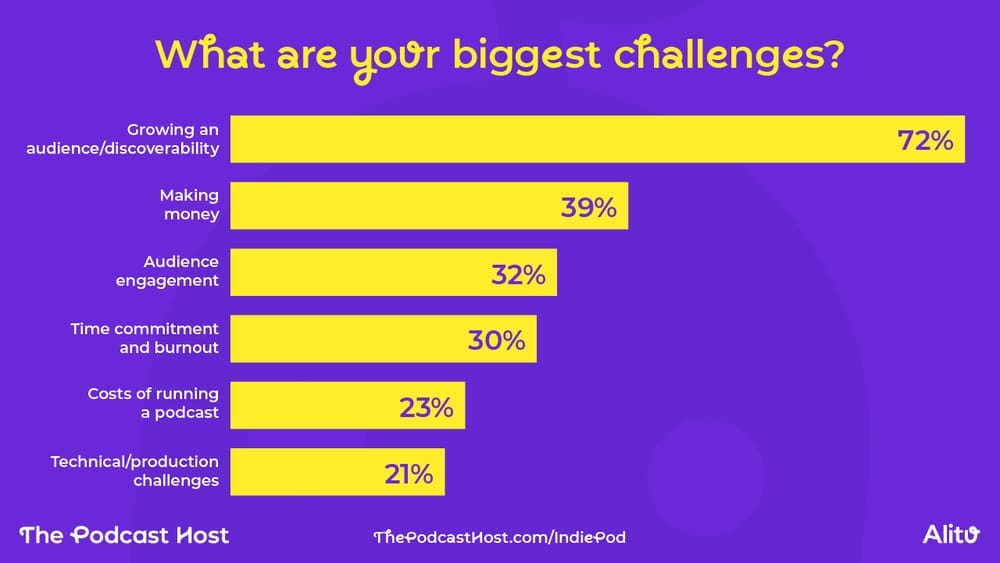
Our Independent Podcaster Survey asked podcasters what they consider to be their biggest challenge. 72% of respondents said “growing an audience,” and 39% said, “making money.” Both obstacles can be overcome through email newsletters, with the right feature set.
Kit and Beehiiv are two popular email platforms that address gaps in podcast discovery and monetization. I’ve worked with both of them over the years on different projects, and can tell you from experience that they serve different purposes. Let me share an overview of Beehiiv vs. Kit, highlighting where they overlap, where they diverge, and which types of podcasters each serves best. This way, you’ll know how to craft the email newsletter that serves your podcast and audience best.
Before we go, I'll just mention that our links to Kit and Beehiiv are affiliates, which means we’d earn a commission should you choose to sign up through them. Rest assured, this doesn’t cost you an extra cent, and doesn’t cloud our judgment when writing fair and honest reviews. Again, I've used both platforms and would happily recommend them to other creators.
So which one best suits your content?
Key Features Compared: What Kit and Beehiiv Have in Common
Kit (formerly ConvertKit) and Beehiiv have a lot in common. We’re not comparing a penguin and a kangaroo. Both email marketing platforms:
- Serve independent creators rather than large enterprises
- Manage subscribers with automated sequences and tagging
- Provide audience growth tools and monetization options, and
- Analyze opens, clicks, and growth trends to show how the audience responds.
With either Kit or Beehiiv, you can send different kinds of newsletters to different sections of your followers and gauge their response. What matters here is the difference between how each platform expects you to grow and communicate with your audience.
How Kit and Beehiiv’s Perspectives Differ
Kit and Beehiiv serve different creative goals. Once you understand why, choosing the email platform that’s right for you will make more sense.
Email tools didn’t evolve in a vacuum. As social platforms became less reliable, newsletters took on roles once filled by feeds and newsrooms. Both Kit and Beehiiv have expanded to serve a wider range of digital creators.
Kit: Relationship-First Email for Creators
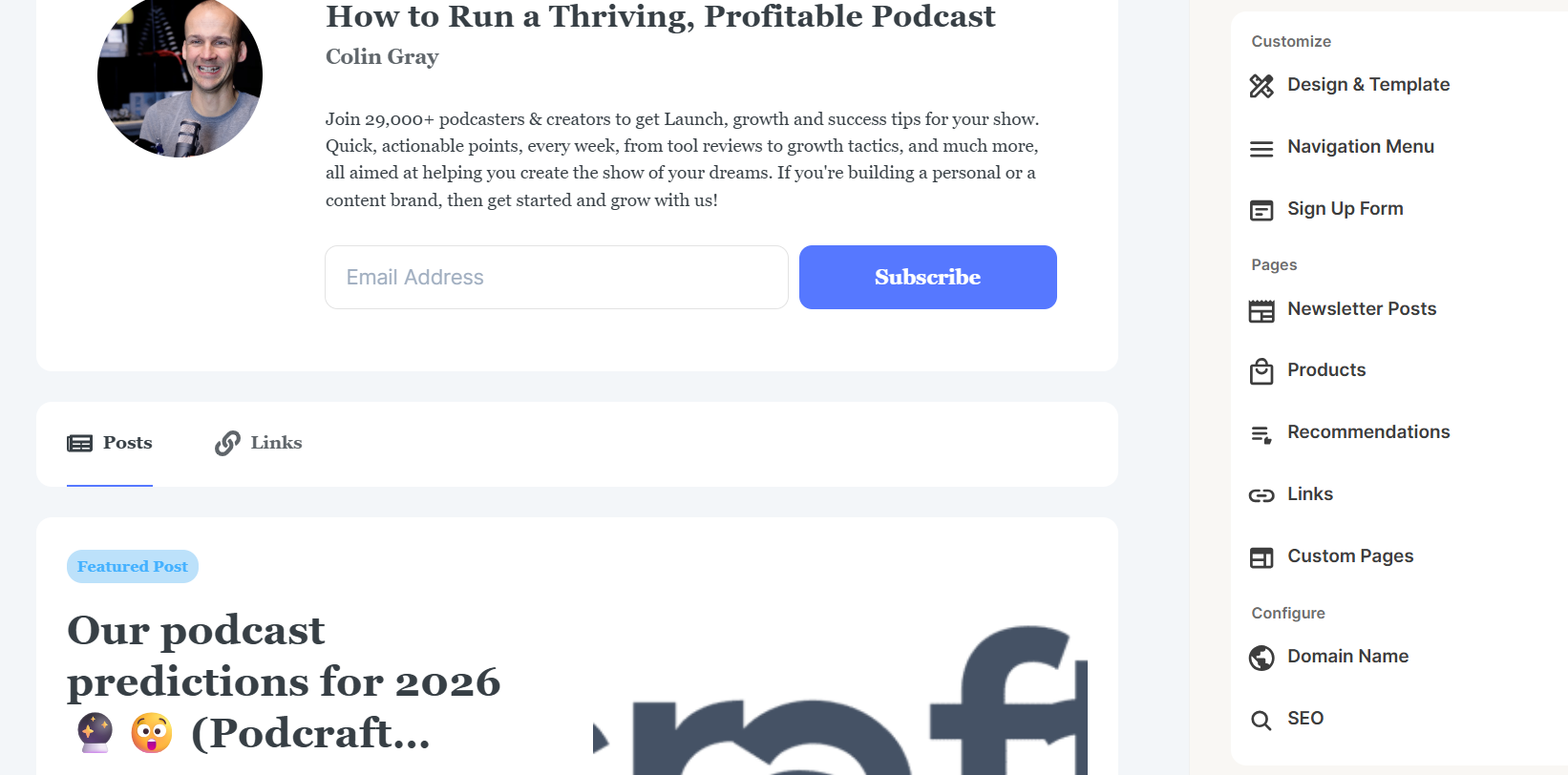
Nathan Barry created ConvertKit in 2013 to support his blogging work. Not only did his email help him stay in touch with his audience, but it also directed sales to them.
Today, Kit is about building sales relationships. Their subscriber relationship model uses automation to monetize your content over the long run. In this particular case, email is part of a larger revenue machine.
Beehiiv: Publication-First Newsletters Built for Growth
Beehiiv originated from the Morning Brew Newsletter, a daily publication that makes business news accessible for students and young professionals. In 2021, amid turmoil for traditional journalism, Beehiiv emphasized distribution, discovery, and scale. In turn, user growth helped Beehiiv optimize internal systems for gathering audience insights, ad placement, and expansion.
Beehiiv focuses on the breadth and depth of their users’ newsletters. The content users share is top of mind. Monetization and growth tools are built in to support content across each user’s publications.
Kit vs. Beehiiv, In a Nutshell
Both Kit and Beehiiv want creative individuals to share ideas easily. Kit prioritizes how email supports a sales funnel. Beehiiv emphasizes the value of each individual newsletter issue and audience response.
Now that you know why these email platforms work the way they do, let’s take a more detailed look at Kit and Beehiiv’s features and costs.
Kit’s Value for Money
Over time, Kit has developed a rich set of features that enable creators to focus on content, audience, and sales, while automations support customer relationship journeys.
Ease of Use and Workflow Design
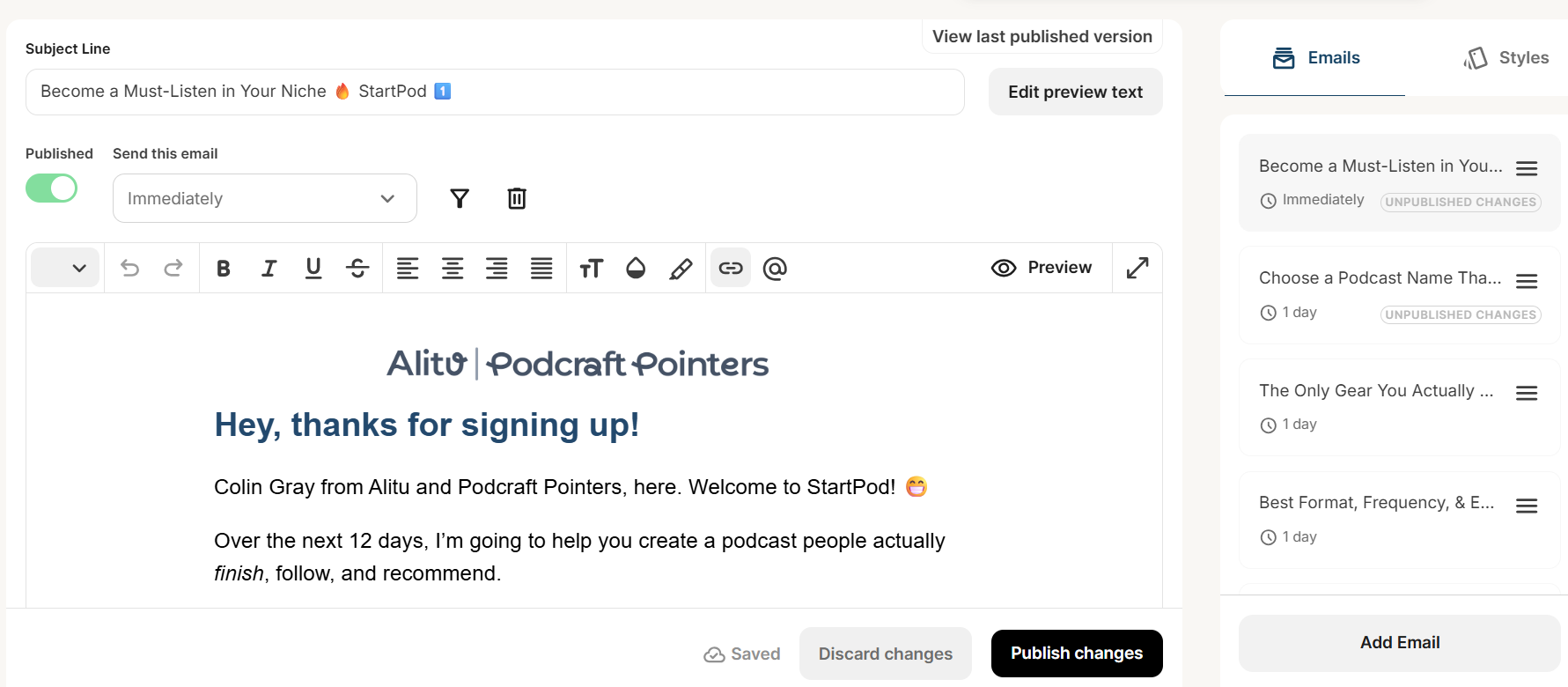
Kit’s interface assumes the user is already familiar with sequences, tags, and automation. Fortunately, Kit’s visual automation templates are easy to read, like a flowchart. You can click them to edit the corresponding email in the same window.
Creating the landing page and website are separate workflows. Adding your newsletter’s feed to your landing page is optional.
If you like tinkering with tracking information, Kit is a playground.
Templates, Design Flexibility, and Integrations
Kit has loads of options to customize and structure your email newsletter and landing page, such as:
- Over 40 email templates with embedding options for special posts, video, sales products, and even an interactive countdown timer
- Integrates with podcasting apps such as Transistor.fm, Hello Audio, and JustCast
- An Unsplash integration with over 100,000 free images,
- An image editor built into the editing window, so you don’t have to separate resizing or cropping in your workflow.
Yes, you have to take time to set up the integrations and templates, but once they’re locked in, your newsletter can look fantastic.
Kit’s Monetization Options
Your Kit email newsletter can be public and free, private and paid, or create both. Kit even lets you add a tip jar. KitCommerce lets you sell memberships, bonus episodes, and digital products. It automates outreach to potential sponsorship leads, enabling you to sell ads in your newsletter without cold-calling.
Kit’s monetization is strongest when paired with external tools, such as membership, commerce, and course platforms. If your podcast is meant to promote a business that already uses Shopify, you can pair these.
Analytics and Reporting
Kit’s analytics show opens and clicks, website visits, and whether recipients unsubscribed or an email bounced. If you have ads in your newsletter, you’ll see the net ad revenue earned, less Kit’s commission.
Where Kit Can Fall Short
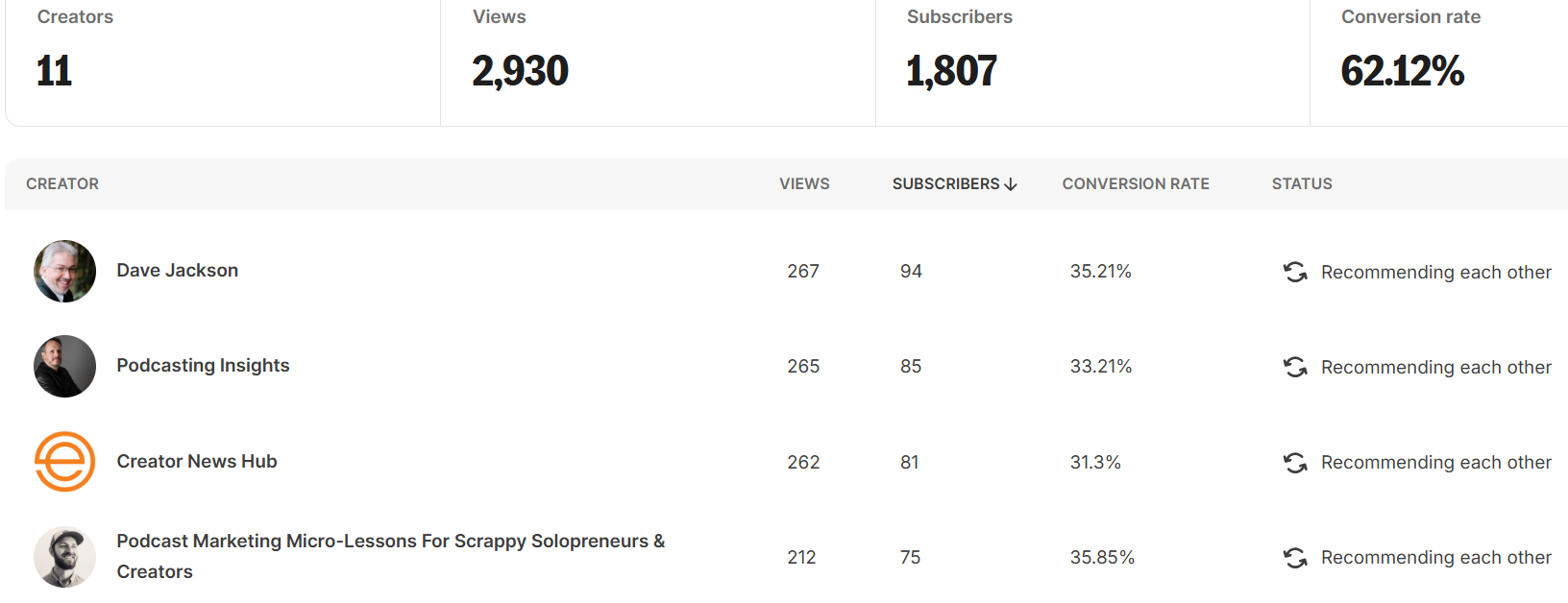
The newsletter boom didn’t just happen because social media platforms became unreliable. Peer recommendations have fueled growth. Kit didn’t adopt a mutual-recommendation feature until 2023, when it launched The Creator Network, but it's beginning to gain traction.
Kit’s interface favors thinkers who handle abstraction well. Using visuals to design automation is a boon to those of us who need concrete examples, but if you didn't get into podcasting to play with “if/then” statements, Kit might not be the email tool you want. When I used it to edit The Fiction Podcast Weekly, I found the automations confusing and avoided them as much as possible.
Pricing and Value for Money
Kit’s pricing varies by feature tier and by the number of subscribers on your email list. Fortunately, the free tier lets you learn how Kit works while building a solid audience. Also, Kit counts active subscribers: people who never open their emails won't count against your billing total. Paying annually gets you a discount. And, if the free tier doesn’t have the features you need, you can sign up for a 14-day free trial of a higher tier.
Newsletter: This free tier includes one login, one visual automation, and one automated email series, for up to 10,000 subscribers. This tier also includes unlimited landing pages, opt-in forms, and email broadcasts. Free users can tag and segment their audience, sell digital products, and publish paid subscription newsletters. The newsletter feed includes a landing page. Customer support is available by email, within 24 hours. In the free tier, users must recommend at least one other Kit newsletter.
Creator: This tier starts at $39/month for up to 1000 subscribers and can reach $619/month for 95K subscribers. Users at this tier receive everything from the Newsletter tier and unlimited visual automations and email sequences for two logins. This tier includes paid recommendations, app integrations, RSS campaigns, polls, and 24/7 email and chat support.
Pro: This tier starts at $79/month for up to 1,000 subscribers and can reach $ 2,599/month for up to 500K subscribers. The Pro tier includes everything from the aforementioned tiers, plus unlimited visual automations and email sequences for an unlimited number of users. Facebook custom audiences, advanced A/B testing, link editing in sent messages, a newsletter referral system, and subscriber engagement scoring, deliverability reporting, an insights dashboard, and 24/7 priority email and chat support round out this set of features.
It’s worth noting that if you participate in Kit’s Ad network, they charge a fee of 23.5% of total ad revenue for running and maintaining the advertising service.
I find it surprising that Kit’s link-editing feature for already-sent emails is only available on the Pro tier. Personally, I think this feature should be available at all tiers. It's a good reminder to proofread, preview, and test links before publishing.
Who Kit Is Best For
Kit is a good choice for podcasters who want their email marketing to support a podcast that supports a business. If you need to segment the audience by interest, season, or behavior, Kit can help. Podcasters who prefer controlled, long-term growth and rely on a sales journey will find this email marketing platform a good fit for their needs.
What if you care about monetization, but it’s not your main goal? Let’s take a look at Beehiiv and how its email marketing approach differs from Kit's.
Beehiiv
Ease of Use and Publishing Experience
Beehiiv includes a substantial feature set intended for podcasters. The Podcast block is one of Beehiiv’s website features. You can add an RSS feed to your site either by pasting it into the Podcast block or by searching for the podcast by name. Similarly, you can also add YouTube channels or playlists to your website.
Additionally, you can turn your newsletter into an audio podcast by choosing an AI-generated voice or cloning your own. The audio will either read your newsletter word-for-word, summarize it, or you can use Beehiiv’s AI features to customize how the AI voice reads it. You can choose the art and episode titles, or have Beehiiv’s AI generate them.
Beehiiv’s main focus is on writing and publishing. Like Kit, Beehiiv’s interface is clean and modern. What makes a significant difference between Kit and Beehiiv for me is that the first email you send creates the default landing page. You can build it separately (like in Kit), but the landing page’s primary focus is your newsletter’s feed.
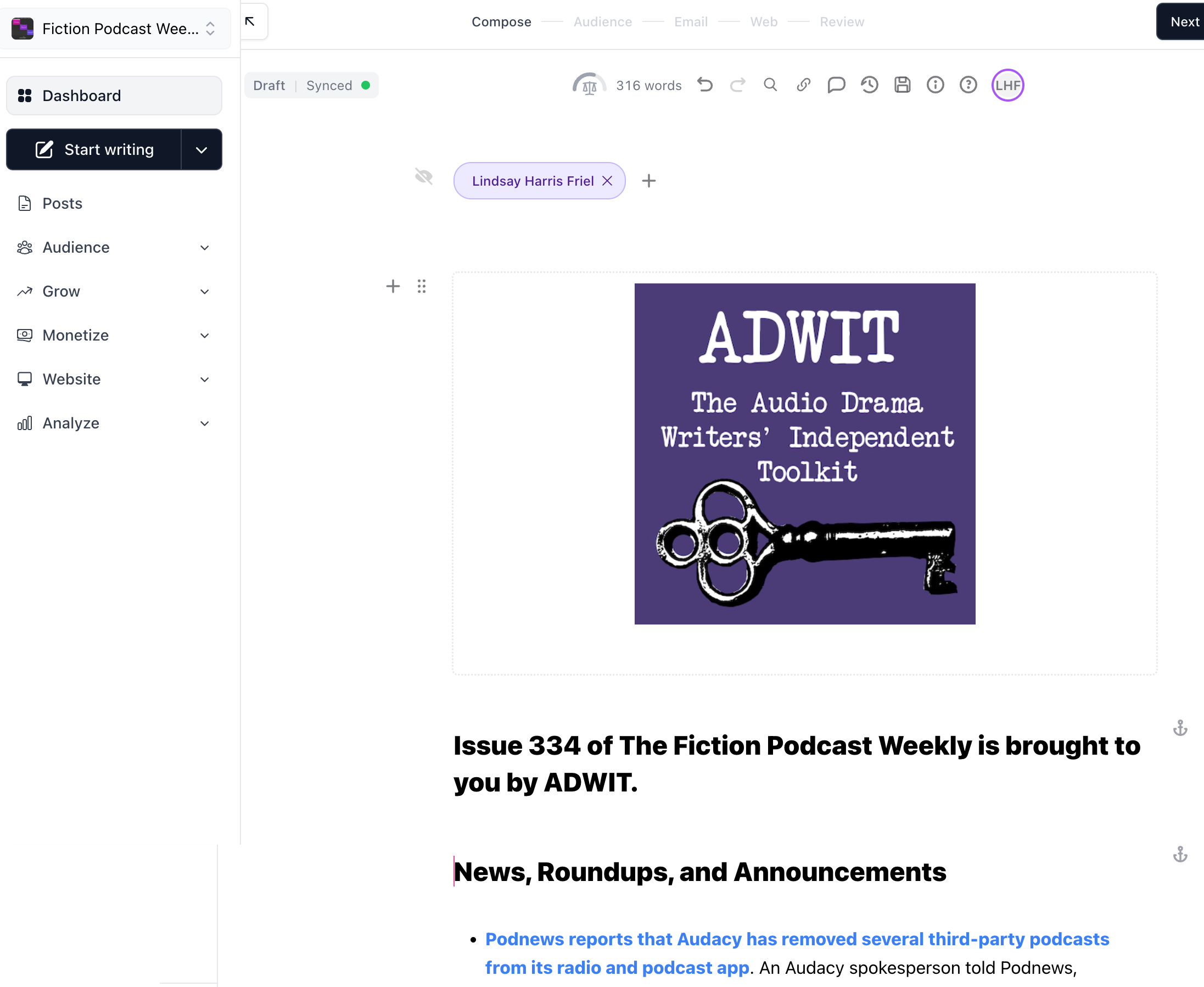
Beehiiv may have solved a problem that’s driven every newsletter editor bonkers. My experience with email marketing platforms has taught me that Gmail truncates emails after a certain size. I’ve had many email messages cut off in Kit and other platforms. Although Beehiiv has warned me when a newsletter approaches the file size limit, none of my messages in Beehiiv have ever been truncated. Is Beehiiv’s tracking data more streamlined than other platforms? Maybe.
Audience Growth Tools
Beehiiv relies on cross-marketing, providing users with tools to help other creators grow their newsletters. Recommendations and Boosts aid growth within the Beehiiv ecosystem, and Referrals help grow an individual newsletter’s audience.
All users can recommend up to four Beehiiv newsletters and include the recommendations in the signup flow. Boosts are paid placements in other Beehiiv newsletters, with an application and acceptance process to make sure both parties complement each other.
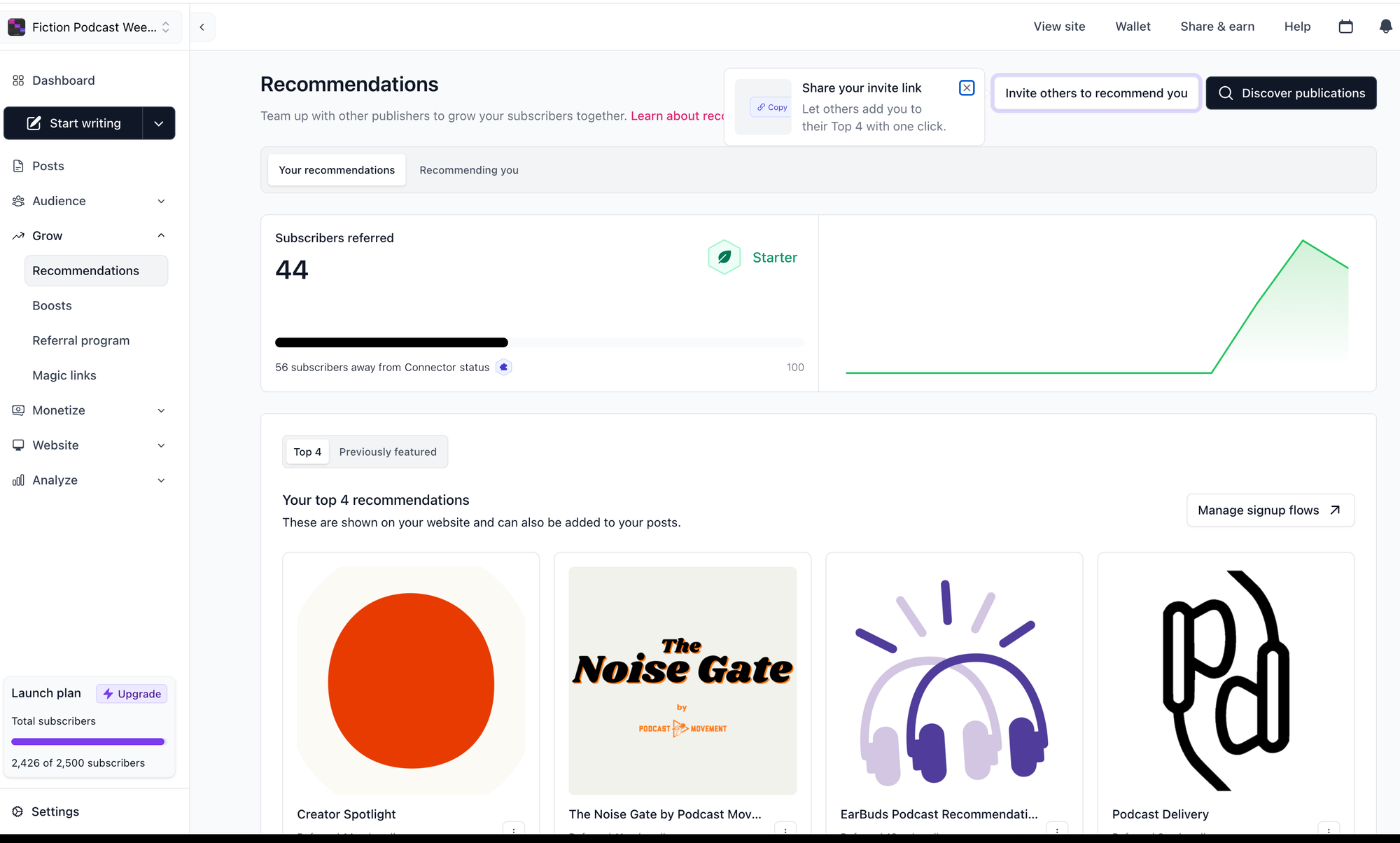
Beehiiv’s referral system helps your publication grow outside the Beehiiv ecosystem. You can create a referral link for your audience to share, and reward them when someone signs up using it. It’s a good incentive to get your audience to help your newsletter grow.
If your main goal is to share ideas and promote your podcast, Beehiiv has the infrastructure to support it. Fortunately, monetization is part of Beehiiv’s feature set as well.
Monetization Options
Beehiiv’s Ad Network helps you place ads from different brands directly in your newsletter. Once you’ve set it up, Beehiiv emails you weekly with new ads, or you can browse them in the Beehiiv interface. You can also create digital products in Beehiiv and sell them through your landing page.
A customizable sponsorship storefront is available in the Ad Network, so you can showcase your newsletter and audience to potential sponsors.
Analytics and Reporting
Every time you log in to your account, Beehiiv displays analytics for your publication’s active subscribers, open rate, click-through rate, and earnings. Then you can select individual posts to see their analytics. Paid users can view detailed reports for subscribers, posts, and clicks.
Integrations and Ecosystem
Beehiiv integrates with loads of third-party tools for sales, community, courses, and more. Your Beehiiv newsletter can work with your Patreon, Discord, or Slack channels to sustain your podcast’s community.
Where Beehiiv Can Fall Short
Automations in Beehiiv recently underwent a major upgrade, so most functionality is new. Philosophically, Beehiiv isn't intended for complex funnels. The best features in Beehiiv assume you have something to say regularly and an audience that wants to share it.
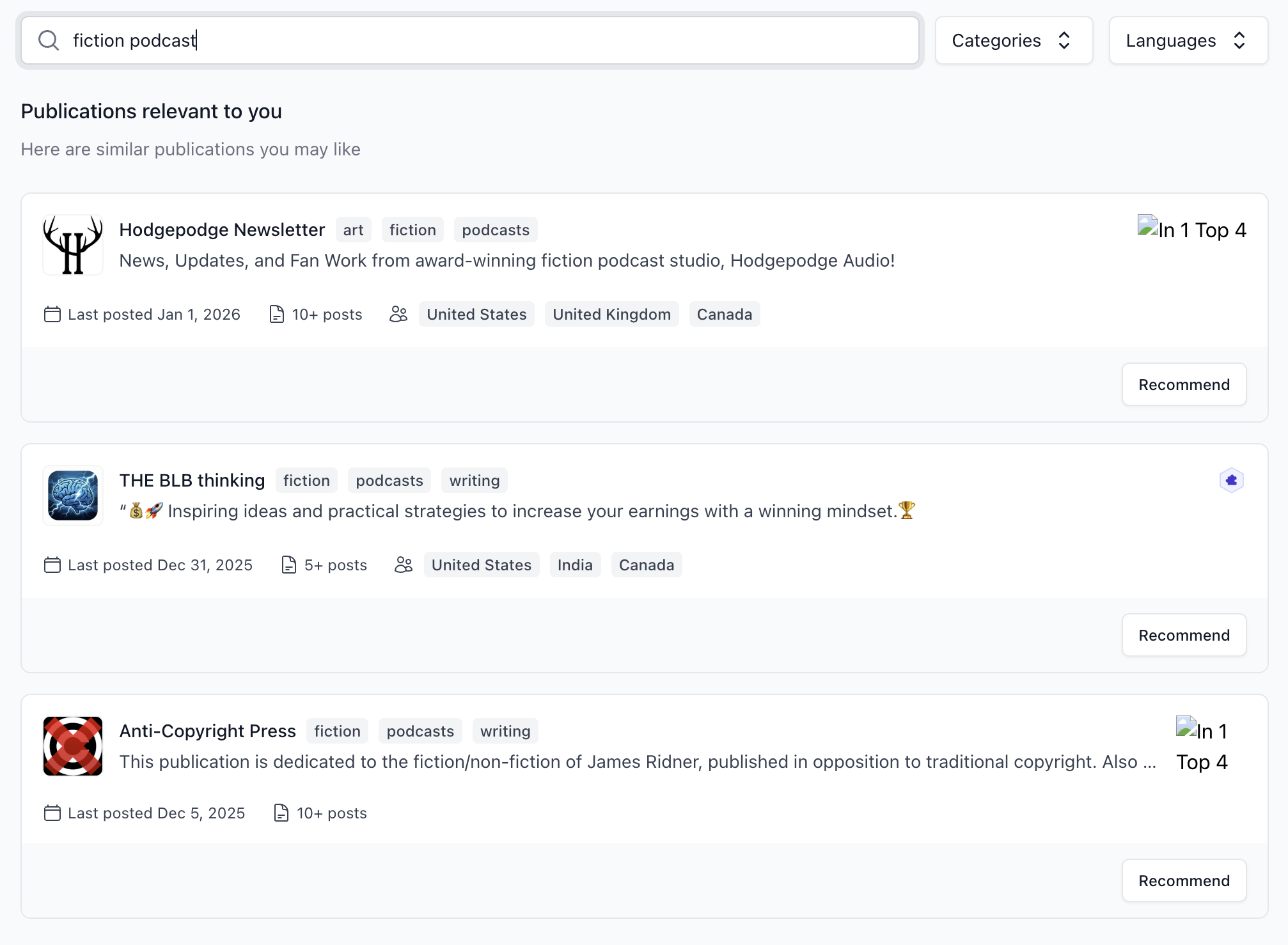
Despite Beehiiv’s reliance on cross-promotion, there isn’t a browsable platform where you can read other Beehiiv creators’ work. The best practice is to search in the Discovery menu of the Recommendations feature. Your audience won't be as distracted while reading your newsletter, but it’s more difficult to find other Beehiiv newsletters to recommend.
Pricing and Value for Money
Like Kit, Beehiiv’s pricing uses feature-based tiers that scale with the number of subscribers. In addition to the free Launch tier, there’s a 14-day free trial on Scale and Max plans.
- Launch. This free tier allows for up to 2,500 subscribers. Features include a Custom website, campaign analytics, unlimited email sends with optimized delivery, and inclusion in Beehiiv’s recommendation network. You can use custom domains, create a link-in-bio page (useful for social media), and design a website using AI chat.
- Scale. This tier ranges from $49/month for 1,000 subscribers to $329/month for 100K subscribers. The Scale tier includes everything in the Launch tier, and the Ad Network, Boosts Network, commission-free paid subscriptions, the ability to sell digital products, Beehiiv AI, email automations, surveys & polls, advanced website analytics, access to Beehiiv’s Slack community, and human customer support, with three separate logins.
- Max. This tier ranges from $109/month for up to 1000 subscribers to $459/month for up to 100K subscribers. The Max tier includes everything from the Launch and Scale plans, and the option to remove Beehiiv’s branding from the newsletter and website, a sponsorship storefront, the option to add podcasts to your website, audio newsletters, and priority human customer support.
Unlike Kit, Beehiiv does count inactive subscribers toward your total for billing purposes. When I first started editing The Fiction Podcast Weekly, we used a similar service that no longer exists. The day our subscriber total exceeded the free tier's limit, I couldn't send anything new without paying them. Surprise! Fortunately, Beehiiv gives you plenty of advance notice. As soon as your subscriber total is within about 100 subscribers of the tier's limit, they add a reminder message to your dashboard. Surprise billing is not something I want.
Who Beehiiv Is Best For
Beehiiv is ideal for podcasters who treat their newsletter as an independent product, not linked to another business. The cross-promotion tools benefit users who want to grow beyond their existing audience or build a media brand for their podcast. The ability to embed an RSS feed in your newsletter and website is invaluable for podcasters, as it allows readers to easily switch between text and audio or video.
Kit vs. Beehiiv: Monetization or Growth?
Kit and Beehiiv are excellent tools for any podcaster to grow their podcast and earn revenue. However, they’re different tools for different kinds of podcasts.
If email and your podcast both support a sales-oriented business, Kit has the flexibility and functions to support options such as “you left something in your cart” messages, or determining which newsletter recipients are more likely to want a product you describe in a newsletter.
If your email newsletter content complements your podcast without intentionally driving sales, Beehiiv may be the better option for you.
Choosing growth or monetization isn’t a call you should have to make. Fortunately, both Beehiiv and Kit support the two chief concerns for podcasters in different ways. Start with your priorities and then pick the tool that best suits your goals.
Finally, if you'd like a weekly dose of creator insights and tips delivered straight to your inbox, then please subscribe to our (Kit-powered) Podcraft Pointers!
